Whether you’re healing from an injury, surgery, or chronic condition, our integrated system is built to get you back on your feet faster.

Address

Contact

Preventing Diabetic Foot Ulcers with Smart Monitoring

Why Foot Care Matters for People with Diabetes

Diabetic neuropathy, nerve damage caused by diabetes, can reduce the ability to feel pain in the feet. This makes injuries easy to overlook. Small, unrecognized wounds can become serious, leading to ulcers, infections, gangrene, or even amputation if not detected early. Continuous monitoring and preventive care are critical for protecting foot health and maintaining mobility.

What Are Smart Monitoring Socks?

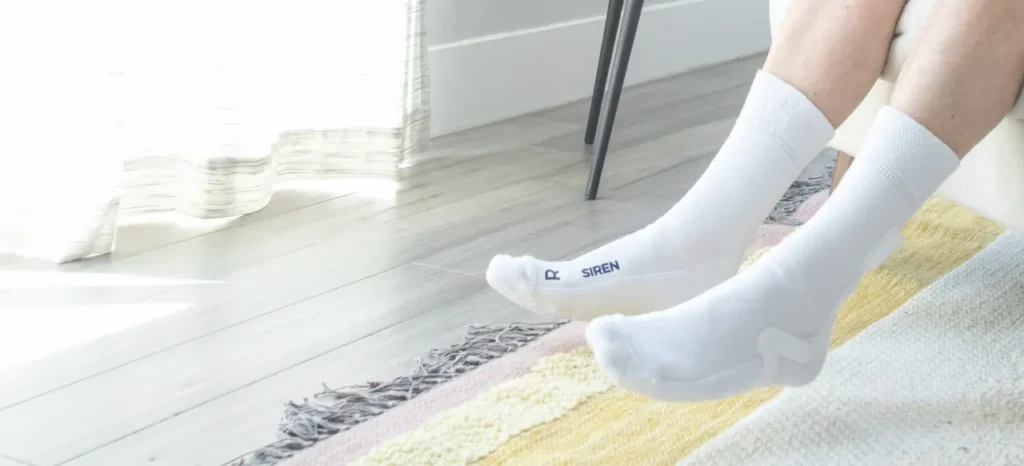
Smart monitoring socks are wearable, sensor-embedded devices designed to continuously monitor foot temperature — a key indicator of inflammation and potential injury.

These socks transmit temperature data directly to your healthcare team, enabling early detection of hotspots that may signal an injury before it becomes visible or painful. This empowers both you and your provider to take early preventive action and reduce the risk of developing diabetic foot ulcers.

How the Smart Sock Program Works

1. Consult a Certified Provider

Start by visiting a Certified Provider who understands remote patient monitoring and the smart sock technology. They will assess whether you qualify for the monitoring program and write a prescription based on your health needs.

2. Receive Your Smart Socks by Mail

Once prescribed, your smart socks are shipped directly to your home. The package also includes the connection hub you will use to communicate data.

3. Wear and Monitor Daily

Put on the socks each day and plug in the monitoring hub. No smartphone or additional setup is required — the technology begins working immediately. The socks are machine washable and designed for daily wear.

4. Your Health Team Tracks Foot Temperature Remotely

The sensors measure and transmit foot temperature data to your care team. A licensed nurse and your doctor can review the information to identify early signs of inflammation or injury, allowing them to intervene before problems worsen.

Benefits of Continuous Monitoring

  • Early Detection of Risk: Temperature changes often occur before visible wounds — allowing your care team to spot trouble early. Siren Care

  • Reduced Ulcer Risk: Studies show continuous temperature monitoring can significantly lower the likelihood of developing diabetic foot ulcers. Siren Care

  • Insurance Coverage: Many insurers, including Medicare, cover smart sock monitoring programs — making preventive care more accessible.

Proven Science Behind Temperature Monitoring

Clinical evidence supports the use of temperature monitoring as a powerful tool in the management of diabetic foot care. Research has shown that regular temperature tracking can reduce the number of foot ulcers by nearly 87.5%, helping prevent complications before they develop.

Next Steps to Protect Your Feet

If you or someone you care for is living with diabetes, especially if neuropathy is present:

  1. Speak with your healthcare provider about smart monitoring options.

  2. Schedule an evaluation with a certified provider trained in smart sock technology.

  3. Enroll in a continuous monitoring program to stay ahead of potential foot issues.

Early detection and consistent monitoring are proven strategies for maintaining foot health and reducing the risk of severe complications.